- Grid
- List
- 1
- 2
- 3
- 4

Introduction to Biometric Security from Datacomms Networks (DCN)
Biometric security is an advanced form of identity authentication that uses unique human characteristics to verify and grant access to systems, devices, facilities, and digital platforms. Unlike traditional security methods such as passwords, PINs, or access cards, biometric systems rely on physical or behavioral traits that are difficult to duplicate or steal.
Modern biometric technologies include:
According to DCN Biometric Security, biometric security solutions are increasingly being deployed across governments, banking, healthcare, education, border control, smart communities, and enterprise environments to improve both security and operational efficiency.
Why Biometric Security Matters
Traditional authentication methods can be forgotten, shared, copied, or hacked. Biometric security enhances protection by using an individual’s unique biological identity, providing:
Biometric systems are now widely integrated into:
Datacomms network (DCN) highlights that modern biometric solutions combine AI algorithms, cloud platforms, and multimodal verification technologies to create secure and scalable identity ecosystems.
Key Biometric Technologies
Fingerprint Recognition
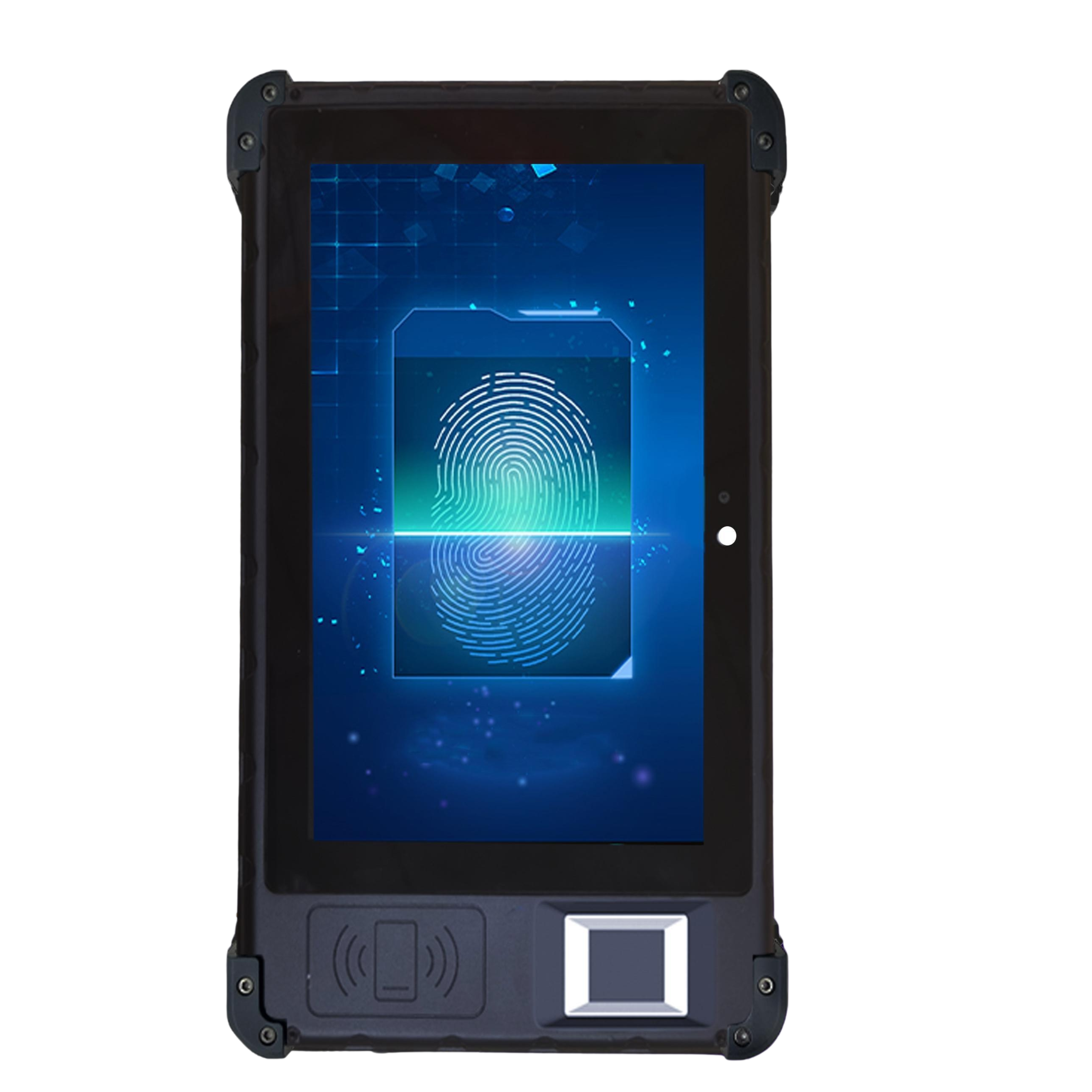
One of the most common biometric methods, fingerprint authentication identifies individuals based on unique ridge patterns on the finger. It is widely used in attendance systems, access control, and mobile authentication.
Facial Recognition
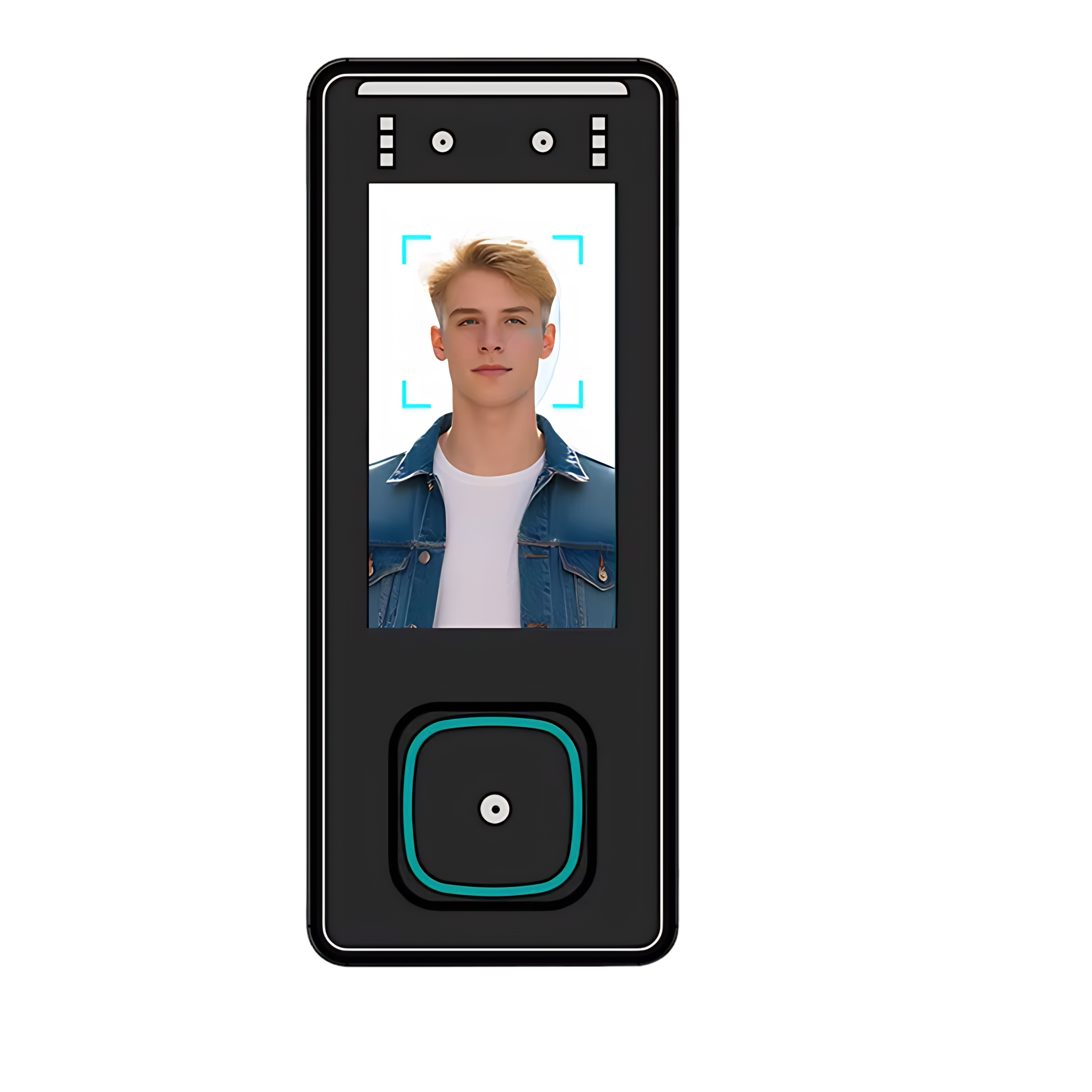
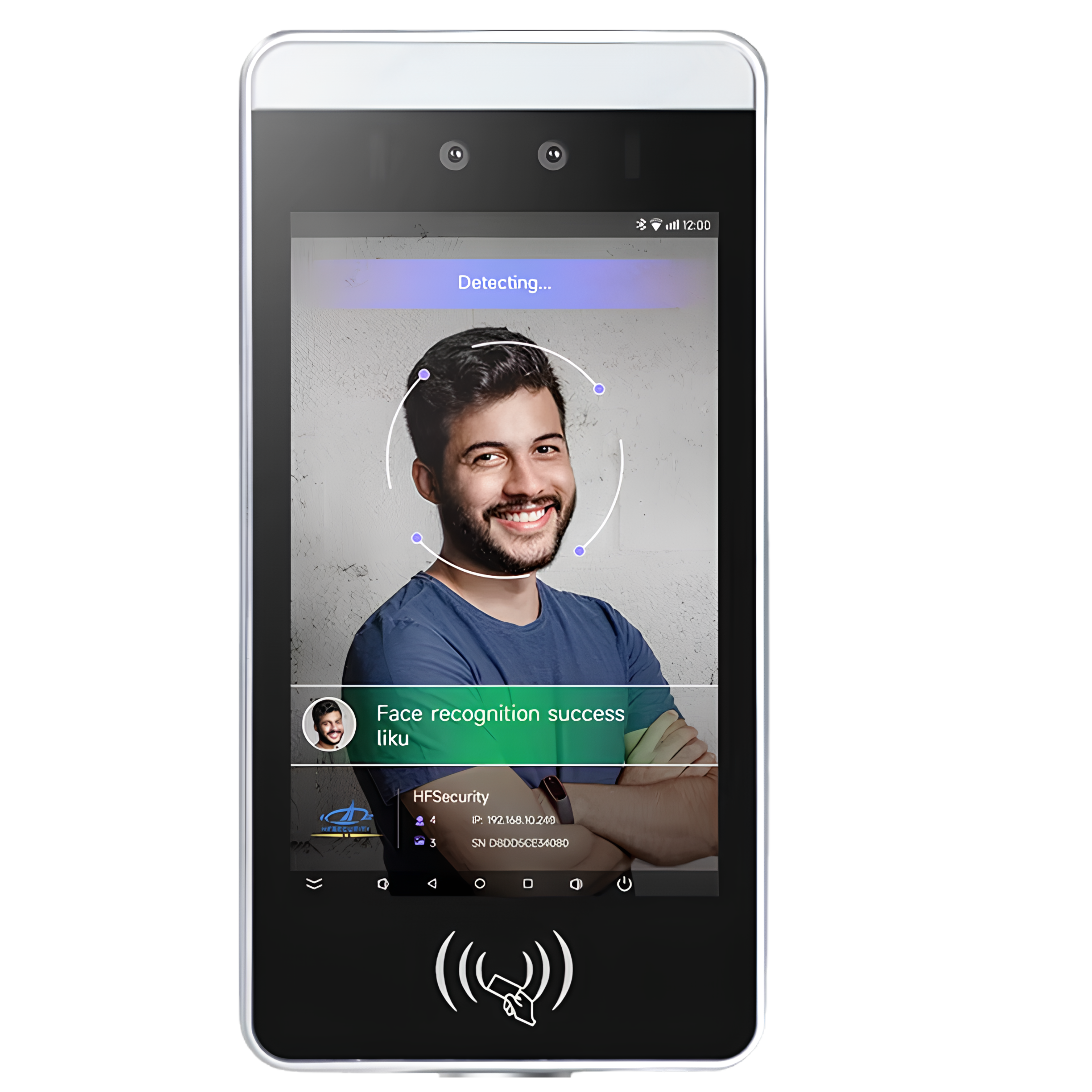
Facial recognition uses AI-powered image analysis to identify users through facial features and geometry. It enables contactless authentication and is commonly used in smart offices, airports, and public security systems.
Iris Recognition
Iris authentication analyzes the complex patterns within the human iris, offering extremely high accuracy and reliability for high-security environments.
Palm Vein & Finger Vein Recognition
These technologies authenticate users through internal vein patterns beneath the skin, making them highly secure and resistant to forgery.
Multimodal Biometrics
Modern solutions increasingly combine multiple biometric methods — such as face + fingerprint or iris + palm vein — to improve accuracy and security. Datacomms network (DCN) positions multimodal biometrics as a major advancement for large-scale identity verification systems.
Applications of Biometric Security
Biometric security is transforming industries worldwide:
| Industry | Application |
|---|---|
| Government | National ID, elections, border control |
| Banking & Finance | eKYC, secure transactions |
| Healthcare | Patient identification |
| Education | Student attendance & campus access |
| Enterprise | Employee access control |
| Smart Cities | Intelligent surveillance & authentication |
| Retail & POS | Secure digital payments |
The Future of Biometric Security
The future of security is increasingly moving toward AI-driven, cloud-connected, and contactless biometric systems. As organizations demand stronger cybersecurity and seamless user experiences, biometric authentication is expected to become a core component of digital transformation and smart infrastructure worldwide.
Emerging trends include: